
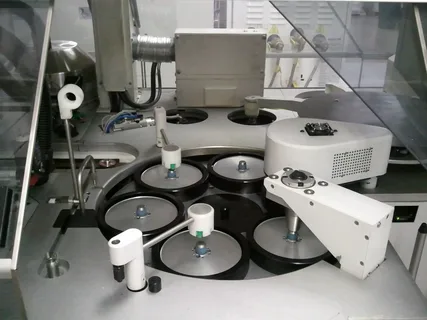
In an era dominated by streaming and cloud storage, CD and DVD Manufacturing: continues to play a surprisingly important role in industries that demand reliability, physical ownership, and long-term data storage. From music albums and corporate training materials to software distribution and archival backups, physical media remains relevant for businesses and creators who value control, quality, and tangibility.
Content Summary
Understanding CD and DVD Manufacturing
At its core, CD and DVD manufacturing is the process of producing optical discs in large quantities using professional replication techniques. Unlike simple disc burning, which is suitable for small batches, manufacturing involves creating a master disc and using injection molding to replicate it with precision and consistency.
This process ensures that every disc meets industry standards for playback, durability, and performance. Whether you’re distributing thousands of music albums or educational resources, manufacturing guarantees a polished and professional result.
Replication vs. Duplication: What’s the Difference?
One of the most common points of confusion is the difference between replication and duplication.
- Replication involves creating discs from a glass master, making it ideal for large-scale production runs.
- Duplication involves burning data onto pre-made discs, which works best for smaller quantities.
For businesses aiming for high-quality distribution, replication is often the preferred choice due to its durability and compatibility across devices.
Why CD and DVD Manufacturing Still Matters
Despite the rise of digital platforms, physical media offers several advantages that keep it relevant:
1. Tangible Branding
A professionally manufactured disc provides a physical product that enhances brand perception. Custom packaging, printed labels, and inserts create a lasting impression that digital files simply cannot match.
2. Reliable Data Storage
Optical discs are less vulnerable to hacking, data corruption, or accidental deletion. This makes them a trusted solution for archiving important data, legal records, and sensitive information.
3. Offline Accessibility
Not every environment has reliable internet access. CDs and DVDs allow users to access content anytime, anywhere, without relying on connectivity.
4. Cost-Effective for Bulk Distribution
For large-scale distribution, manufacturing discs can often be more economical than managing digital licenses or subscriptions.
The CD and DVD Manufacturing Process
Understanding the production workflow helps businesses make informed decisions. Here’s a simplified breakdown:
1. Mastering
The process begins with creating a “glass master,” which contains the exact data to be replicated. This step is critical for ensuring accuracy.
2. Electroforming
The glass master is used to create a metal stamper, which will press the data onto each disc during production.
3. Injection Molding
Molten polycarbonate plastic is injected into molds to form discs. The stamper imprints the data onto the surface at a microscopic level.
4. Metallization
A thin reflective layer, usually aluminum, is applied to the disc to make the data readable by laser devices.
5. Lacquering and Printing
A protective coating is added, followed by high-quality printing for branding and labeling.
6. Packaging
Finally, discs are packaged in cases, sleeves, or custom-designed boxes, ready for distribution.
Choosing the Right Manufacturing Partner
Selecting the right partner for CD and DVD manufacturing is crucial for achieving quality results. Here’s what to look for:
- Experience and Reputation – A proven track record ensures reliability and quality.
- Customization Options – Look for providers that offer flexible packaging and design solutions.
- Turnaround Time – Efficient production timelines are essential for meeting deadlines.
- Quality Assurance – Ensure the manufacturer follows strict quality control processes.
Working with a trusted provider can make a significant difference in the final product’s quality and impact.
Industries That Rely on CD and DVD Manufacturing
Even in today’s digital-first world, several industries continue to depend on optical media:
- Music and Entertainment – Artists and producers release albums and special editions.
- Education and Training – Institutions distribute learning materials and courses.
- Corporate Sector – Businesses use discs for presentations, onboarding, and data sharing.
- Healthcare and Legal – Secure data storage and record-keeping remain critical.
These industries value the reliability and professionalism that physical media offers.
The Future of Optical Media
While streaming and digital downloads dominate consumer behavior, CD and DVD manufacturing is evolving rather than disappearing. Niche markets, collectors, and industries requiring secure data storage continue to drive demand.
Additionally, advancements in printing technology, eco-friendly materials, and hybrid distribution models are helping the industry stay relevant. Businesses are now combining physical and digital strategies to maximize reach and engagement.
Final Thoughts
CD and DVD Manufacturing: remains a powerful solution for businesses and creators who need reliable, high-quality, and tangible media distribution. While digital platforms offer convenience, physical discs provide a level of control, branding, and permanence that cannot be replicated online.
Whether you’re launching a music album, distributing training materials, or archiving critical data, investing in professional manufacturing ensures your content is delivered with precision and impact. In a world that’s increasingly digital, sometimes the most effective solutions are the ones you can hold in your hand.